
Victorian Landcare Magazine - Spring, Issue 92
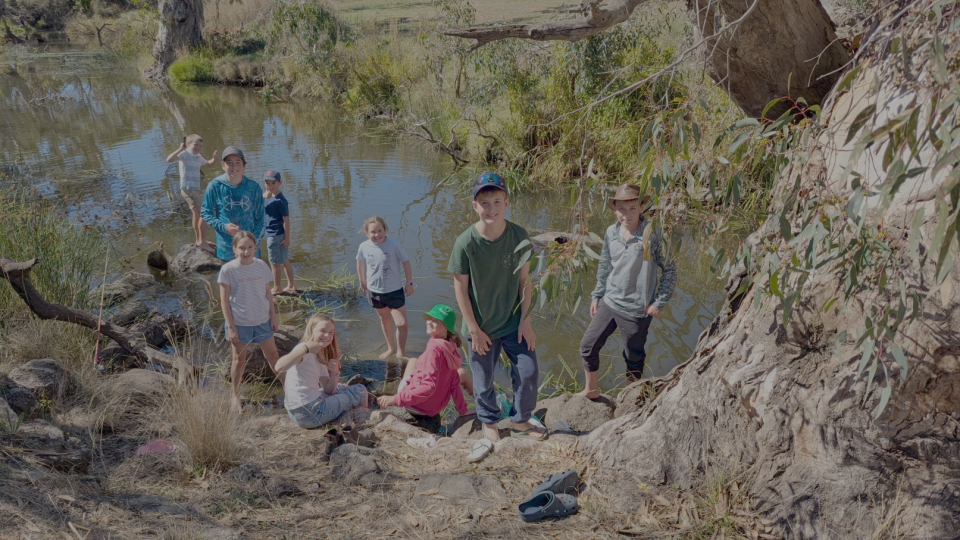
Skipton students are tackling invasive carp, protecting platypus habitat and inspiring community action.
For most primary school students, fishing is a weekend pastime. For the students at Skipton Primary School, it has become a powerful tool for environmental restoration, community engagement and hands-on learning.
At the heart of the school’s innovative, student-led ‘Clear the Carp’ initiative is a simple but ambitious goal: improving the health of Mount Emu Creek, which flows through the centre of Skipton in Victoria’s Western District.
Students became concerned about the growing impact of invasive European carp, a pest species that damages waterways and threatens habitat for native wildlife including platypus, turtles and eels.
Rather than leave the problem to adults, they decided to take action themselves.
The project is part of a strong environmental and sustainability program at the school, led by teacher Georgie Green.
From prep to year six, students learn about water quality and help monitor the health of local waterways through regular Waterwatch activities. As students learned more about carp and witnessed the damage being caused in local waterways and the Stewart Park billabong, they became determined to remove the pest.
Many spent weekends fishing carp from local waters before approaching landcare for support to expand their efforts. The result was the inaugural Clear the Carp fishing competition in 2025.
The first event attracted more than 70 anglers and removed 45kg of carp from the creek system. By 2026, registrations had grown to 120 participants, transforming the competition into a major community event.
While fewer carp were caught in the second year, participants were rewarded by sightings of platypus, turtles and eels within the fishing area — encouraging signs that the ecosystem may be responding to their efforts.
What makes the project particularly impressive is the depth of learning it has created.
Students can confidently explain how carp affect waterways and native species, and they continue seeking new ways to improve habitat.
Their next ambition is to build ‘fish hotels’ to provide shelter for native fish and further strengthen creek biodiversity.'
The competition has also become a celebration of community knowledge. Residents share stories of a time when native fish and eels were abundant in the creek, while students learn practical skills ranging from fishing techniques to habitat restoration.
Carp cooking demonstrations have explored ways the invasive fish can be put to productive use, from food and leather-making to artistic projects using scales.
Students have embraced responsibilities well beyond the event itself. They secure sponsorship, write letters to businesses seeking prize donations and promote the competition throughout the community.
Clear the Carp is only one part of the school’s wider commitment to landcare.
Students also contribute to revegetation projects, maintain a productive vegetable garden that supports the local community shop, and advocate for environmental issues through radio interviews, video messages and correspondence with elected representatives.
For a school with fewer than 20 students in its senior class, the impact has been extraordinary.
By combining environmental education with practical action, Skipton Primary School has created a project that is improving local biodiversity, strengthening community connections and inspiring the next generation of landcarers.
Located on Phillip Island, Cowes Primary School has transformed a degraded one-hectare bush sanctuary into a thriving outdoor classroom.
Working with Bass Coast Landcare Network and the Threatened Species Conservancy, students restored habitat, planted 600 indigenous plants, established butterfly gardens and created dedicated conservation and learning spaces.
A landcare elective gives senior students hands-on experience in citizen science, biodiversity restoration, weed control and environmental monitoring.
Students have also tackled litter through waste audits and student-led recommendations that significantly reduced rubbish across the school.
The project demonstrates how environmental education can create lasting change across an entire school community.
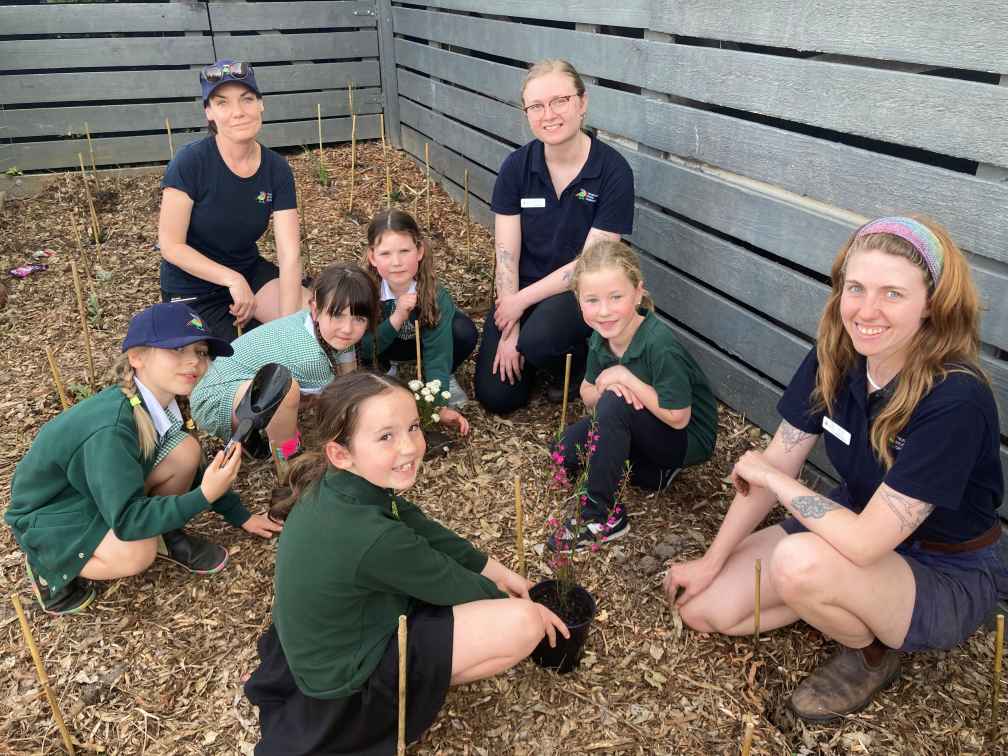
Above: Cowes Primary Students with Threatened Species Conservancy staff planting the butterfly gardens.
Founded by young environmentalists Chris and Lennon, All Kids Junior Landcare grew from weekly volunteering with community conservation groups into an inspiring program focused on plant propagation, habitat restoration and environmental education.
Since 2022, the pair have learned seed collection, native plant growing and revegetation techniques before sharing those skills with schools and the wider community.
They have donated hundreds of plants and seeds, run workshops for other students and advocated for better waterway management along Stony Creek.
Their work shows how young people can become powerful leaders in conservation and community engagement.
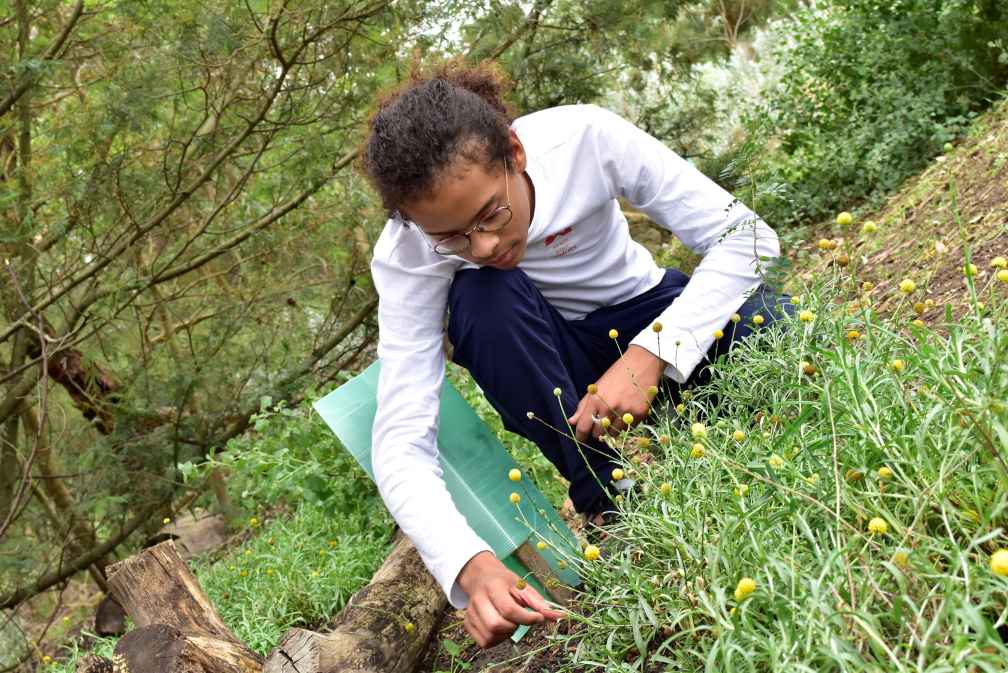
Above: All Kids Junior Landcare has donated hundreds of plants to local restoration efforts.