
Victorian Landcare Magazine - Spring, Issue 92
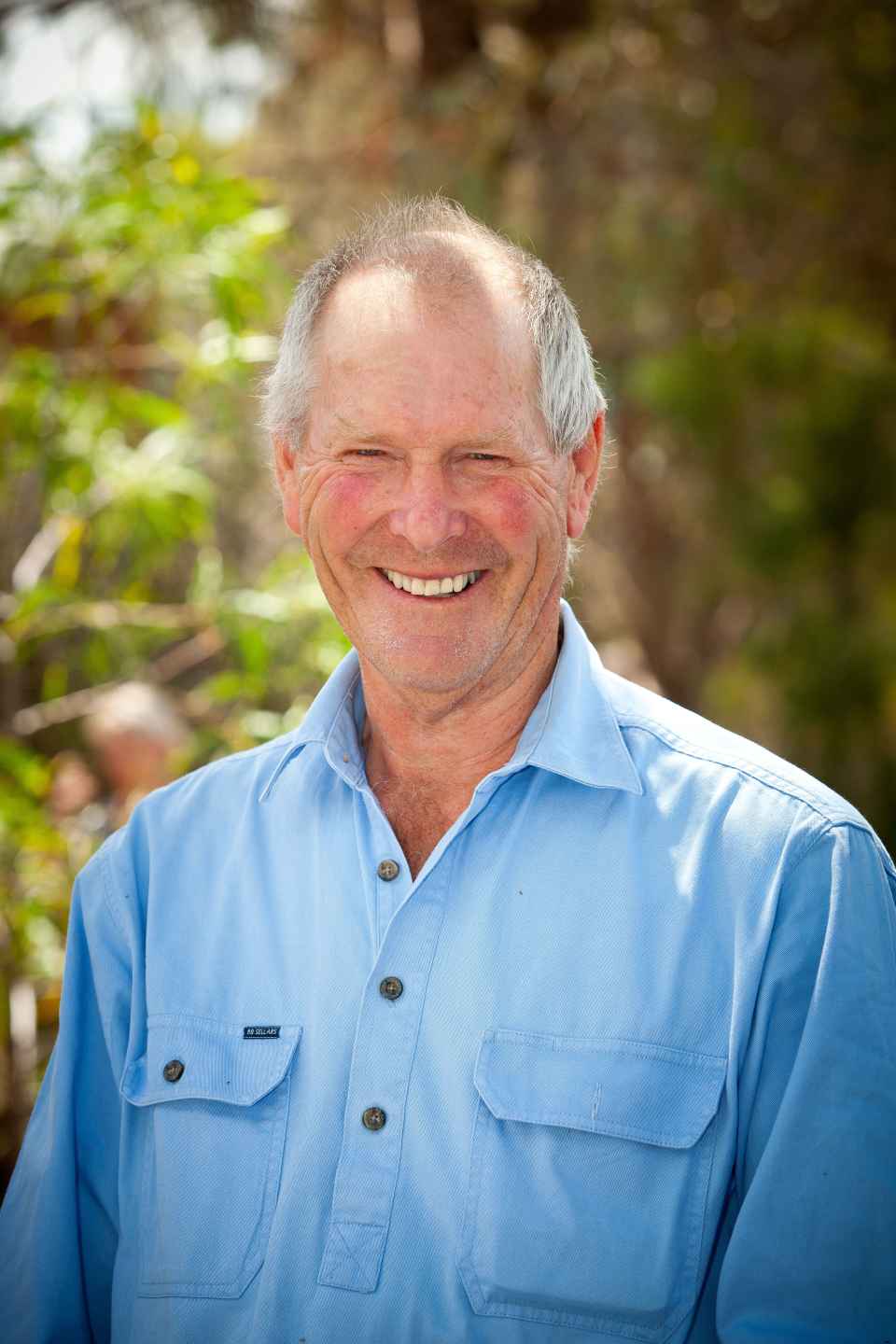
The Glenlyon Biolink Walking Trail has become one of the most visible symbols of environmental restoration in the Upper Loddon catchment, and itself is part of the legacy of the late Dr John Cable.
John’s leadership was integral to improving a local landscape and a community.
When John and his partner Jill Teschendorff purchased their 48-hectare property, Greenlion, on the Loddon River in 2000, they were confronted by dense infestations of gorse, blackberry, hawthorn and willow.
Rather than seeing an impossible task, John saw an opportunity to restore the river and help others do the same.
Over the following 25 years he became one of the driving forces behind environmental restoration in the district through his work with the Glenlyon Upper Loddon Landcare Group.
John served as the group’s president for 15 years and was awarded life membership in 2020. During that time, he championed projects that improved the health of the Upper Loddon River, strengthened community engagement and built partnerships between landcare, government agencies and public land managers.
He was equally comfortable discussing local weed control with landholders as he was working alongside local government, Parks Victoria and catchment management authorities to advance larger landscape-scale projects.
The Glenlyon Biolink became one of his most significant achievements. More than a walking trail, it created a stronger connection between the community and the river, encouraging people to understand and value the natural environment around them.
John’s vision helped make the Loddon River a focal point for the community while supporting broader environmental restoration efforts along the waterway.
A lifelong advocate for practical, locally led solutions, John also became a respected voice on natural resource management issues well beyond Glenlyon.
He served on committees including the Victorian Gorse Taskforce, advocated for coordinated weed management and worked to ensure local landholders had access to knowledge, equipment and support.
His practical understanding of farming, plant biology and land management helped countless others tackle environmental challenges on their own properties.
Education and community capacity building were central to John’s approach. Through Waterwatch activities, field days and workshops, he welcomed people onto Greenlion to learn about river health, biodiversity and restoration.
Scientific monitoring became an important part of that work, with regular water quality testing and community education helping build a greater understanding of local waterways and the benefits of long-term stewardship.
The results were clear. Native vegetation recovered, birdlife increased, frogs and aquatic life returned, and the time required to manage weeds declined significantly as restoration efforts took effect.
Just as importantly, John inspired a culture of collaboration that brought together community groups, landholders and government agencies around a shared vision for the landscape.
“John’s avid knowledge and willingness to share it, involve people and mentor those around him was inspiring, and set him apart,” North Central Catchment Management Authority Project Manager Tess Grieves said in nominating John for the award.
“He set an example for volunteers looking to form long-term partnerships, to improve areas of public land and upper catchment waterways, knowing downstream users, environments and communities will benefit from the actions taken upstream.”
John passed away in late 2025, but his legacy lives on in the restored landscapes, connected communities and healthier waterways he helped create.
Through his leadership, generosity and unwavering commitment to landcare, he demonstrated the enduring impact that one person can have on both people and place.
What began as a degraded grazing property near Newham has become one of Victoria’s most compelling examples of regenerative land management.
Over nearly four decades, Karl Kny and his wife Brigitte transformed Kolora into a living classroom where ecological restoration, productive farming and community learning come together.
Drawing on a career managing major plantation and conservation forests, Karl has applied science, monitoring and long-term planning to habitat restoration, revegetation and biodiversity conservation.
More than 103 bird species have now been recorded on the property, alongside the return of koalas, platypus and many other native species.
Through extensive mentoring, field days and leadership roles across landcare and conservation organisations, Karl has helped landholders and volunteers understand that environmental stewardship and productive landscapes can thrive together.
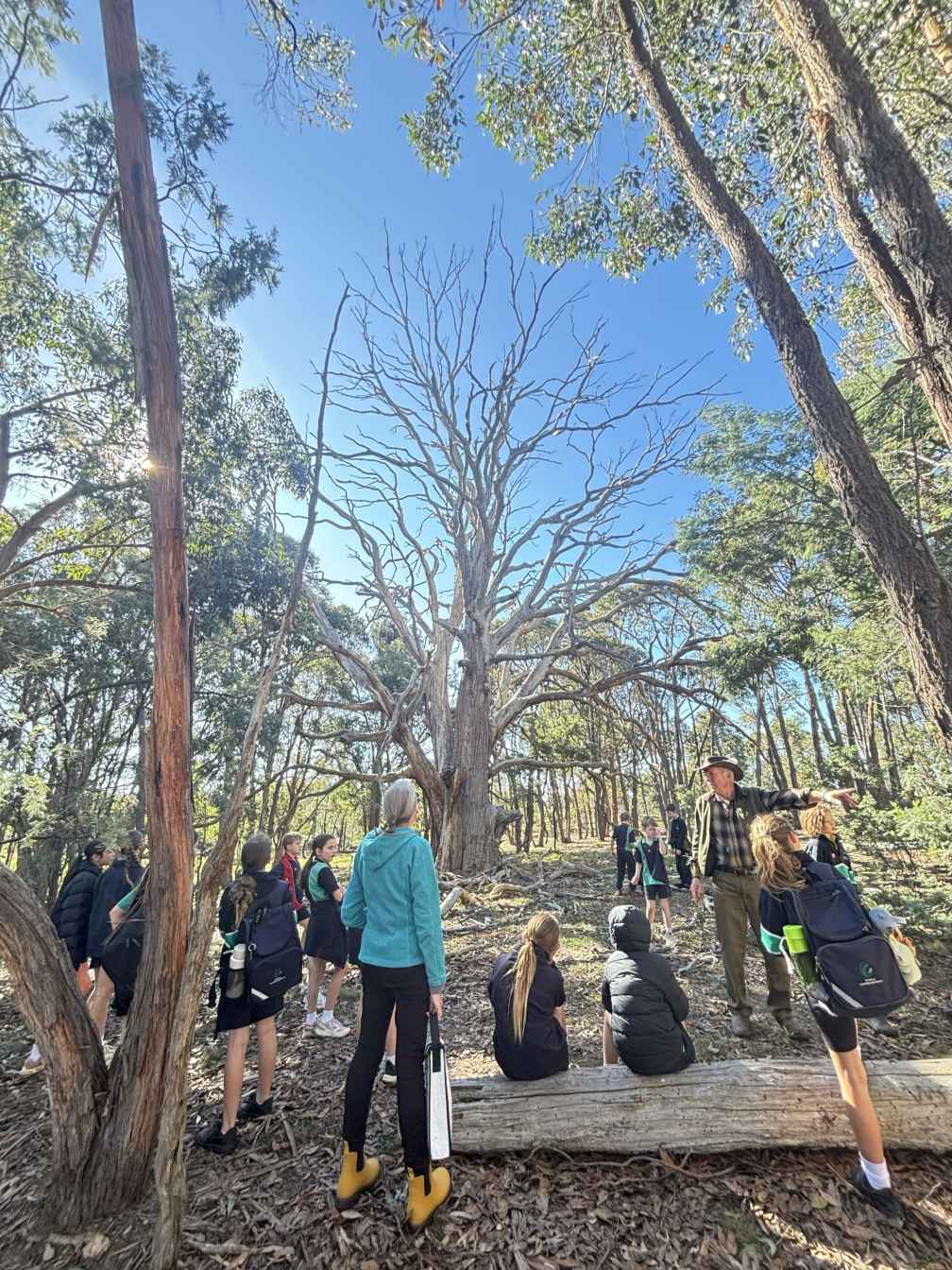
Above: Karl and his wife Brigitte, have transformed a degraded grazing property into a living classroom where science, practical land management and community learning come together.
Recognising the shortage of natural hollows for wildlife, Bruce McInnes developed practical nest box designs and community workshops that have engaged volunteers, families and young people while creating valuable habitat for species such as sugar gliders and owlet-nightjars.
An inaugural member of the Laharum Landcare Group, Bruce has spent more than three decades supporting revegetation, salinity management, weed control and community education.
His workshops have helped hundreds of participants develop practical conservation skills while contributing directly to habitat creation across the Wimmera region.
Whether organising nest box workshops, helping coordinate landscape-scale weed management programs or creating opportunities for young people to engage with conservation, he has consistently combined practical action with acommitment to building stronger communities and healthier environments.
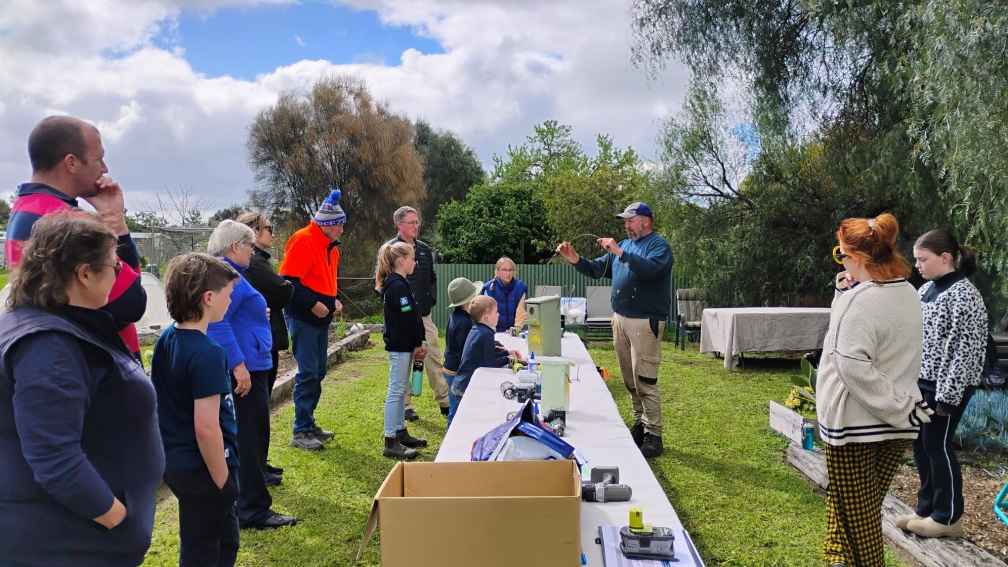
Above: Nest boxes have become a hallmark of Bruce McInnes’ contribution to landcare in Victoria’s Wimmera region.